“picking process” search results (4000)
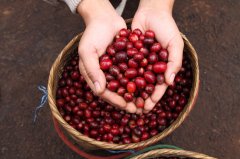
Classification and causes of defective beans in Fine Coffee SCAA
The growth environment of boutique coffee beans also has higher requirements. Generally grow at an altitude of 1500 meters or even more than 2000 meters above sea level, with appropriate precipitation, sunshine, temperature and soil conditions. Some world-famous coffee beans also have a special geographical environment, such as the alpine clouds in the Blue Mountains, the free shade provided by the afternoon clouds in Kona, and the volcanic ash soil in Antigua.
2016-05-31 Boutique coffee SCAA defects classification reasons
Honey-treated Nicaraguan Coffee introduces Los Congo Manor Joy Manor Matagalpa producing area
Lemon Tree Manor also processes coffee in a honey-treated way. After the coffee fruit is actually picked, the coffee with its exocarp removed is put on the African shed to dry. Compared with the traditional way of placing coffee directly on the ground to dry coffee, using African shed to dry coffee can reduce more pollution in the drying process, avoid producing more miscellaneous smell, and finally improve the quality of coffee.
2016-06-28 Processing Nicaragua coffee introduction Los Congo Manor Joy Mataga
Introduction to the treatment process of raw coffee beans Coffee trees bear fruit several times a year
When the coffee berries are ripe, they are usually harvested by manual picking. In some places, only the fully ripe berries are picked, while others are all picked from a single branch. The former is called handpicked and the latter is called strip-picking. Because the ripening time of coffee berries is not consistent, the harvest is likely to be divided into several stages.
2016-07-11 Coffee raw beans treatment process introduction structure several times a year coffee berries
How to pick and handle coffee beans how to make good siphon coffee
The natural drying method sends the picked berries to the drying plant, which will be classified according to the degree of maturity, as the basis for the time and degree of exposure in the sun. Generally, overripe berries take only 1-3 days, red berries take 5-6 days, and green unripe berries take 1-2 weeks. After sun treatment, the dried fruit needs to go through the sheller to remove the peel, pulp and silver skin.
2016-06-08 Coffee beans picking handling way how make delicious siphon coffee nature
Steps after Coffee picking Honey treatment of Coffee in the first processing
Steps for the treatment of honey from the first processing of coffee:
2014-10-09 Coffee knowledge coffee processing coffee picking coffee honey treatment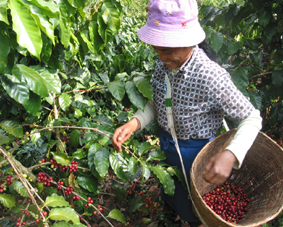
Introduction to Chinese Coffee Plantation: exploring the Secret Coffee Plantation in Yunnan to decipher the Magic Fruit
Yunnan Coffee Plantation article: Yanxia Editor: milkshake in southern China, Yunnan, Taiwan, there is such a plantation, there are many beautiful, gorgeous red fruits, like cherries, beautiful seems to have some magic, can not help but pick some seemingly ripe fruit, taste, the seemingly attractive red fruit tastes like that
2015-12-16 China Coffee Plantation introduction Secret Exploration Yunnan decryption Magic Fruit
Introduction to the Coffee Flavor description characteristics of Nicaraguan Lemon Manor Coffee
Nicaragua is an economically backward agricultural country, is one of the poorest countries in Central America, the unemployment rate is very high, people live in poverty, and coffee is Nicaragua's pillar industry, producing nearly 100,000 tons of coffee beans every year. Due to the poor economic foundation, the coffee industry is still relatively backward, and coffee farmers are also in a relatively poor state. Although Nicaragua is a large part of Central America,
2016-10-09 Cocoa fragrance Nicaragua lemon tree manor coffee flavor description characteristics
Introduction to Los Congo Manor in Nicaragua Coffee Manor
Lemon Tree Manor also processes coffee in a honey-treated way. After the coffee fruit is actually picked, the coffee with its exocarp removed is put on the African shed to dry. Compared with the traditional way of placing coffee directly on the ground to dry coffee, using African shed to dry coffee can reduce more pollution in the drying process, avoid producing more miscellaneous smell, and finally improve the quality of coffee.
2016-08-01 Nicaragua Coffee Manor producing area Flavor Taste introduction Los Congo Lime
The process from a coffee bean to a cup of coffee
What's coffee? First of all, we think of a cup of strong aroma and black liquid, or a cappuccino with white foam, or a large cup of cold and refreshing iced coffee, these are all coffee, but this is not all coffee. If coffee is fully defined literally, coffee should be red coffee grown on a green shrub called coffee tree.
2014-09-11 Coffee knowledge coffee beans coffee aroma boutique coffee
The process of coffee picking introduces the basic knowledge of coffee.
Coffee trees usually blossom in 3-4 years, about 2-3 months a year, and their appearance and smell are similar to those of jasmine. when they bloom, they grow in clusters on the branches and bloom for 3-5 days. After the flowers bloom, they bear small green fruits, which ripen and turn red into ripe fruits that can be picked after a few months. The skin of ripe fruit is red. Because its shape and color are similar to cherries, ripe coffee fruit is called coffee cherry in many places.
2015-05-15 Coffee picking process introduction basics common sense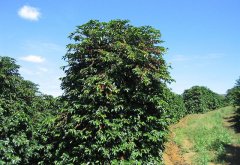
From coffee tree to coffee
Coffee is a perennial evergreen shrub or small tree of Rubiaceae. It is a horticultural perennial cash crop with the characteristics of fast growth, high yield, high value and wide market. Wild coffee trees can grow to a height of 5 to 10 meters, but coffee trees planted on the manor are often cut to less than 2 meters in order to increase their fruit and facilitate harvesting.
2014-07-22 Coffee knowledge coffee tree coffee process coffee encyclopedia
Nicaraguan Coffee Manor Tianyi Manor introduces the flavor and taste characteristics of Nicaraguan coffee producing areas
Nicaragua is an economically backward agricultural country, is one of the poorest countries in Central America, the unemployment rate is very high, people live in poverty, and coffee is Nicaragua's pillar industry, producing nearly 100,000 tons of coffee beans every year. Due to the poor economic foundation, the coffee industry is still relatively backward, and coffee farmers are also in a relatively poor state. Although Nicaragua is a large part of Central America,
2016-08-04 Nicaragua coffee manor providence introduction producing area flavor taste characteristics Nepal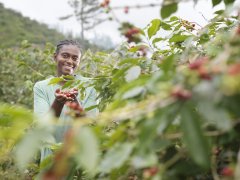
The process of picking coffee beans by a family in Budadiri village in Africa
One thing I am very curious about is that coffee comes from Africa, but in many parts of Africa, especially in small towns and villages, few people drink coffee. This time I visited the hometown of Uganda, which is rich in coffee, and this question can basically be answered. In the village of Budadiri in Mombali, a small town near the Kenyan border in Uganda, there are many coffee farms, so-called farms, but
2015-04-29 Africa Budadiri family picking coffee beans process one thing non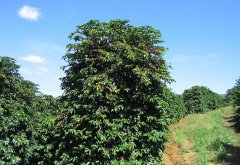
The roasting process of coffee tree fruit from coffee tree to coffee
Coffee is a perennial evergreen shrub or small tree of Rubiaceae. It is a horticultural perennial cash crop with the characteristics of fast growth, high yield, high value and wide market. Wild coffee trees can grow to a height of 5 to 10 meters, but coffee trees planted on the manor are often cut to less than 2 meters in order to increase their fruit and facilitate harvesting. The first flowering period of a coffee tree is about the age of the tree.
2015-11-05 Coffee fruit roasting process coffee grass perennial evergreen shrubs trees
Harvest, processing and storage of coffee beans
The harvest of coffee beans in winter every year, that is, the dry season, is the harvest period of coffee beans. After three to four years of growth, coffee trees are maturing and begin to bear fruit. The fruits are arranged in strings or clumps next to the branches. The coffee beans are wrapped in a red coat and can be picked as soon as they turn red. Most Arabica coffee beans mature in June and August, and Robasta coffee beans
2014-06-10 Coffee beans processed stored
A brief introduction to Brazilian Coffee
Coffee varieties: both Arabica and Robusta are raw and manufactured, of which Arabica accounts for 70% to 80%. Among Arabica coffee varieties, there are Modo Novo, Catuai, Bourbon, Maragoripe and so on. Coffee harvest can usher in three or four harvest seasons in a year, and mechanical picking is extremely widespread. The path of picking is very different from that of other masterpieces. Mechanical picking
2015-09-08 Brazil Coffee profile Variety Rabbi Robbs Booth Yousheng
Blue Mountain coffee beans how much is the picking process price where is the origin flavor description taste estate introduction
Blue Mountain coffee has all the characteristics of good coffee, not only the taste is rich and mellow, but also because the sweet, sour and bitter flavors of coffee are perfectly matched, so there is no bitterness at all, only moderate and perfect sourness. Generally, they are consumed as a single item, but due to the extremely low output and extremely expensive price, coffee is generally prepared with similar taste on the market. Real Blue Mountain Coffee is made by the best local
2016-10-18 Blue Mountain Coffee Bean Picking Process Less Money Price From Where Flavor Description
From a coffee bean to a cup of coffee From Crop To Cup
What's coffee? First of all, we think of a cup of strong aroma and black liquid, or a cappuccino with white foam, or a large cup of cold and refreshing iced coffee, these are all coffee, but this is not all coffee. If coffee is fully defined literally, coffee should be red coffee grown on a green shrub called coffee tree.
2014-09-02 Coffee beans a cup of coffee.
Nicaraguan Coffee Manor introduces the characteristics of Nicaraguan coffee in lemon tree manor
Nicaragua is an economically backward agricultural country, is one of the poorest countries in Central America, the unemployment rate is very high, people live in poverty, and coffee is Nicaragua's pillar industry, producing nearly 100,000 tons of coffee beans every year. Due to the poor economic foundation, the coffee industry is still relatively backward, and coffee farmers are also in a relatively poor state. Although Nicaragua is a large part of Central America,
2016-08-01 Nicaragua Coffee Manor introduction Lemon Tree characteristics one Sutra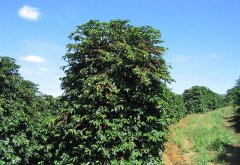
Coffee knowledge from Coffee Tree to Coffee
Coffee trees grow coffee as perennial evergreen shrubs or small trees of Rubiaceae. It is a horticultural perennial cash crop with the characteristics of fast growth, high yield, high value and wide market. Wild coffee trees can grow to a height of 5 to 10 meters, but coffee trees planted on the manor are often cut to less than 2 meters in order to increase their fruit and facilitate harvesting. The first opening of a coffee tree
2014-09-19 Coffee knowledge Coffee Tree Coffee Encyclopedia